
Somatic Therapy in New York: What the Brain Scans Actually Show

Let me start with what the skeptics say."Somatic therapy is woo-woo."
"There's no evidence for body-based approaches."
"You can't heal trauma by shaking or breathing, that's not science."
I get it. I trained in traditional psychotherapy. I spent years in rooms where the body was treated like furniture, something to sit in while the real work happened in the mind.
And then I saw the brain scans.
Here's what neuroscience has been quietly confirming for the past two decades:
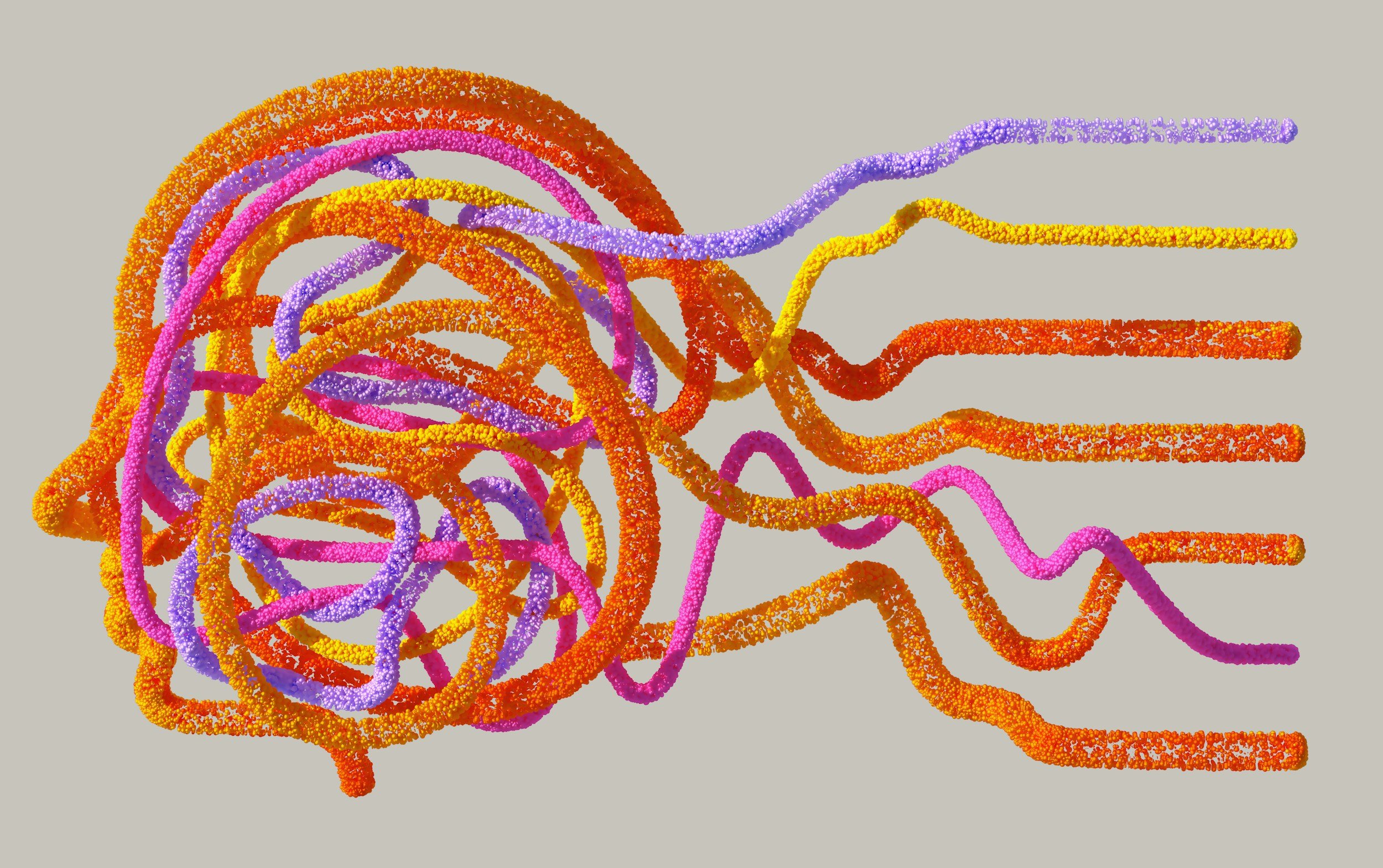
𝗧𝗿𝗮𝘂𝗺𝗮 𝗰𝗵𝗮𝗻𝗴𝗲𝘀 𝘁𝗵𝗲 𝗯𝗿𝗮𝗶𝗻. Not metaphoric.ally. Structurally.
fMRI studies show that people with PTSD have:
A hyperactive amygdala (the brain's alarm system, stuck in "danger" mode)
A hypoactive medial prefrontal cortex (the part that says "you're safe now" , offline)
Reduced hippocampal volume (the region that helps you know 𝘸𝘩𝘦𝘯 you are, past vs. present)
This is why someone can 𝘬𝘯𝘰𝘸 they're safe and still feel terrified. Their thinking brain got the memo.
Their survival brain didn't.
But here's what most people don't know:
𝗦𝘂𝗰𝗰𝗲𝘀𝘀𝗳𝘂𝗹 𝘁𝗿𝗮𝘂𝗺𝗮 𝘁𝗵𝗲𝗿𝗮𝗽𝘆 𝗰𝗵𝗮𝗻𝗴𝗲𝘀 𝘁𝗵𝗲 𝗯𝗿𝗮𝗶𝗻 𝗯𝗮𝗰𝗸.
A 2021 systematic review published in the 𝘌𝘶𝘳𝘰𝘱𝘦𝘢𝘯 𝘑𝘰𝘶𝘳𝘯𝘢𝘭 𝘰𝘧 𝘗𝘴𝘺𝘤𝘩𝘰𝘵𝘳𝘢𝘶𝘮𝘢𝘵𝘰𝘭𝘰𝘨𝘺 examined 24 neuroimaging studies of PTSD patients before and after treatment.
What they found: After effective therapy, activation in the medial prefrontal cortex 𝘪𝘯𝘤𝘳𝘦𝘢𝘴𝘦𝘥, especially during emotional processing
Connectivity between the amygdala and prefrontal regions 𝘯𝘰𝘳𝘮𝘢𝘭𝘪𝘻𝘦𝘥
The brain literally rewired itself toward regulation
This isn't theory. This is visible on a scan.

Now here's the part that changes everything:
𝗧𝗵𝗲 𝘁𝗵𝗲𝗿𝗮𝗽𝗶𝗲𝘀 𝘁𝗵𝗮𝘁 𝗽𝗿𝗼𝗱𝘂𝗰𝗲𝗱 𝘁𝗵𝗲𝘀𝗲 𝗰𝗵𝗮𝗻𝗴𝗲𝘀 𝘄𝗲𝗿𝗲𝗻'𝘁 𝗷𝘂𝘀𝘁 𝘁𝗮𝗹𝗸-𝗯𝗮𝘀𝗲𝗱.
Prolonged Exposure. EMDR. Somatic Experiencing. Sensorimotor Psychotherapy.
What do they have in common?
They work with the 𝘣𝘰𝘥𝘺'𝘴 experience of trauma, not just the story.
They don't just ask "What happened?" They ask "What is happening 𝘳𝘪𝘨𝘩𝘵 𝘯𝘰𝘸 in your nervous system?"
And that question, that shift from narrative to sensation, is what allows the brain to finally update.
This is why 𝘀𝗼𝗺𝗮𝘁𝗶𝗰 𝘁𝗵𝗲𝗿𝗮𝗽𝘆 𝗶𝗻 𝗡𝗲𝘄 𝗬𝗼𝗿𝗸 and across the country has grown so rapidly. People are finding what talk therapy alone couldn't give them.
I want to show you what this looks like in the room.
Not a metaphor. An actual body.

Daniel* 𝘸𝘢𝘭𝘬𝘦𝘥 𝘪𝘯𝘵𝘰 𝘮𝘺 𝘰𝘧𝘧𝘪𝘤𝘦 𝘭𝘪𝘬𝘦 𝘢 𝘮𝘢𝘯 𝘣𝘳𝘢𝘤𝘪𝘯𝘨 𝘧𝘰𝘳 𝘪𝘮𝘱𝘢𝘤𝘵.
𝘐 𝘥𝘰𝘯'𝘵 𝘮𝘦𝘢𝘯 𝘩𝘦 𝘭𝘰𝘰𝘬𝘦𝘥 𝘯𝘦𝘳𝘷𝘰𝘶𝘴. 𝘐 𝘮𝘦𝘢𝘯 𝘩𝘪𝘴 body 𝘸𝘢𝘴 𝘰𝘳𝘨𝘢𝘯𝘪𝘻𝘦𝘥 𝘢𝘳𝘰𝘶𝘯𝘥 𝘵𝘩𝘳𝘦𝘢𝘵.
𝘚𝘩𝘰𝘶𝘭𝘥𝘦𝘳𝘴 𝘱𝘶𝘭𝘭𝘦𝘥 𝘶𝘱 𝘵𝘰𝘸𝘢𝘳𝘥 𝘩𝘪𝘴 𝘦𝘢𝘳𝘴, 𝘯𝘰𝘵 𝘥𝘳𝘢𝘮𝘢𝘵𝘪𝘤𝘢𝘭𝘭𝘺, 𝘣𝘶𝘵 𝘦𝘯𝘰𝘶𝘨𝘩 𝘵𝘩𝘢𝘵 𝘩𝘪𝘴 𝘯𝘦𝘤𝘬 𝘩𝘢𝘥 𝘥𝘪𝘴𝘢𝘱𝘱𝘦𝘢𝘳𝘦𝘥.
𝘑𝘢𝘸 𝘤𝘭𝘦𝘯𝘤𝘩𝘦𝘥. 𝘕𝘰𝘵 𝘷𝘪𝘴𝘪𝘣𝘭𝘺 𝘨𝘳𝘪𝘯𝘥𝘪𝘯𝘨, 𝘣𝘶𝘵 𝘪𝘧 𝘺𝘰𝘶 𝘭𝘰𝘰𝘬𝘦𝘥 𝘤𝘭𝘰𝘴𝘦𝘭𝘺, 𝘺𝘰𝘶 𝘤𝘰𝘶𝘭𝘥 𝘴𝘦𝘦 𝘵𝘩𝘦 𝘮𝘢𝘴𝘴𝘦𝘵𝘦𝘳 𝘮𝘶𝘴𝘤𝘭𝘦𝘴 𝘣𝘶𝘭𝘨𝘪𝘯𝘨 𝘴𝘭𝘪𝘨𝘩𝘵𝘭𝘺 𝘢𝘵 𝘵𝘩𝘦 𝘴𝘪𝘥𝘦𝘴 𝘰𝘧 𝘩𝘪𝘴 𝘧𝘢𝘤𝘦.
𝘏𝘪𝘴 𝘣𝘳𝘦𝘢𝘵𝘩𝘪𝘯𝘨 𝘸𝘢𝘴 𝘴𝘩𝘢𝘭𝘭𝘰𝘸 𝘢𝘯𝘥 𝘧𝘢𝘴𝘵, 𝘮𝘢𝘺𝘣𝘦 16 𝘣𝘳𝘦𝘢𝘵𝘩𝘴 𝘱𝘦𝘳 𝘮𝘪𝘯𝘶𝘵𝘦, 𝘢𝘭𝘭 𝘪𝘯 𝘵𝘩𝘦 𝘶𝘱𝘱𝘦𝘳 𝘤𝘩𝘦𝘴𝘵. 𝘏𝘪𝘴 𝘣𝘦𝘭𝘭𝘺 𝘥𝘪𝘥𝘯'𝘵 𝘮𝘰𝘷𝘦 𝘢𝘵 𝘢𝘭𝘭. 𝘏𝘪𝘴 𝘩𝘢𝘯𝘥𝘴 𝘸𝘦𝘳𝘦 𝘱𝘳𝘦𝘴𝘴𝘦𝘥 𝘧𝘭𝘢𝘵 𝘢𝘨𝘢𝘪𝘯𝘴𝘵 𝘩𝘪𝘴 𝘵𝘩𝘪𝘨𝘩𝘴, 𝘧𝘪𝘯𝘨𝘦𝘳𝘴 𝘴𝘭𝘪𝘨𝘩𝘵𝘭𝘺 𝘴𝘱𝘳𝘦𝘢𝘥, 𝘭𝘪𝘬𝘦 𝘩𝘦 𝘸𝘢𝘴 𝘳𝘦𝘢𝘥𝘺 𝘵𝘰 𝘱𝘶𝘴𝘩 𝘩𝘪𝘮𝘴𝘦𝘭𝘧 𝘶𝘱 𝘢𝘯𝘥 𝘳𝘶𝘯.
𝘈𝘯𝘥 𝘩𝘪𝘴 𝘦𝘺𝘦𝘴. 𝘏𝘪𝘴 𝘦𝘺𝘦𝘴 𝘸𝘦𝘳𝘦 𝘴𝘤𝘢𝘯𝘯𝘪𝘯𝘨. 𝘕𝘰𝘵 𝘭𝘰𝘰𝘬𝘪𝘯𝘨 at 𝘮𝘦, 𝘭𝘰𝘰𝘬𝘪𝘯𝘨 past* me. Checking the door. The window. The corners of the room.
He'd been in therapy for four years. He could tell you his entire trauma history in clinical detail. He'd done CBT, DBT, and two rounds of EMDR. "Nothing works," he said. "I understand everything about my childhood. I just can't stop feeling like something terrible is about to happen."
I didn't ask him about his childhood. I asked him to notice his shoulders.
"What happens if you let them drop? Even a centimeter?"
He tried. And something strange happened. His breath caught. His eyes widened. For a split second, he looked like a startled animal. "I can't," he said. "It feels dangerous."
This is what most people don't understand about trauma:
The body isn't just storing memories. It's storing 𝙨𝙪𝙧𝙫𝙞𝙫𝙖𝙡 𝙧𝙚𝙨𝙥𝙤𝙣𝙨𝙚𝙨 that never got to complete.
Daniel's shoulders weren't tense because he was stressed.
They were tense because at some point in his childhood, pulling up and bracing was the only thing that kept him safe. His nervous system learned: 𝘙𝘦𝘭𝘢𝘹𝘪𝘯𝘨 𝘪𝘴 𝘥𝘢𝘯𝘨𝘦𝘳𝘰𝘶𝘴. 𝘓𝘦𝘵𝘵𝘪𝘯𝘨 𝘺𝘰𝘶𝘳 𝘨𝘶𝘢𝘳𝘥 𝘥𝘰𝘸𝘯 𝘮𝘦𝘢𝘯𝘴 𝘨𝘦𝘵𝘵𝘪𝘯𝘨 𝘩𝘶𝘳𝘵. And it never got the update that the danger passed.

Here's what the research shows about why talk therapy alone often isn't enough:
The amygdala, the part of the brain that detects threat, processes information 𝘧𝘢𝘴𝘵𝘦𝘳 than the prefrontal cortex can override it.
By the time your thinking brain says "I'm safe," your survival brain has already flooded your body with adrenaline.
This is why you can 𝘬𝘯𝘰𝘸 something isn't dangerous and still feel terrified. The signal is coming from below.
Somatic therapy in New York works differently.
Instead of trying to convince the survival brain through words, it speaks the survival brain's language: 𝘴𝘦𝘯𝘴𝘢𝘵𝘪𝘰𝘯, 𝘮𝘰𝘷𝘦𝘮𝘦𝘯𝘵, 𝘢𝘯𝘥 𝘯𝘦𝘳𝘷𝘰𝘶𝘴 𝘴𝘺𝘴𝘵𝘦𝘮 𝘴𝘵𝘢𝘵𝘦.
When Daniel's shoulders stayed locked, I didn't try to talk him out of it.
I said: "What if we don't make them drop? What if we just notice what they're doing? What if we get curious about what they're protecting?"
His eyes softened. Just slightly.
"They're... bracing. For impact."
"What kind of impact?"
A long pause.
"The kind that comes out of nowhere."

Over the following weeks, we didn't analyze Daniel's trauma.
We tracked his body.
We noticed when his shoulders crept up.
We noticed when his breath got shallow.
We noticed the micro-moments when his system shifted from "scanning for danger" to "present in the room."
And we stayed with those moments. Not rushing past them. Not explaining them. Just 𝘣𝘦𝘪𝘯𝘨 in them long enough for his nervous system to register: 𝘛𝘩𝘪𝘴 𝘪𝘴 𝘥𝘪𝘧𝘧𝘦𝘳𝘦𝘯𝘵. 𝘛𝘩𝘪𝘴 𝘪𝘴 𝘴𝘢𝘧𝘦.
One session, about three months in, Daniel sat down and I noticed something had changed.
His shoulders were lower.
His breathing was slower… maybe 10 breaths per minute, and his belly was moving.
His hands were resting on his thighs, not pressed flat.
And his eyes, his eyes were looking 𝘢𝘵 me. Not past me. At me.
"Something's different," he said. "I don't know how to describe it. I feel... here. Like I'm actually in the room."
This is what the brain scans are showing.
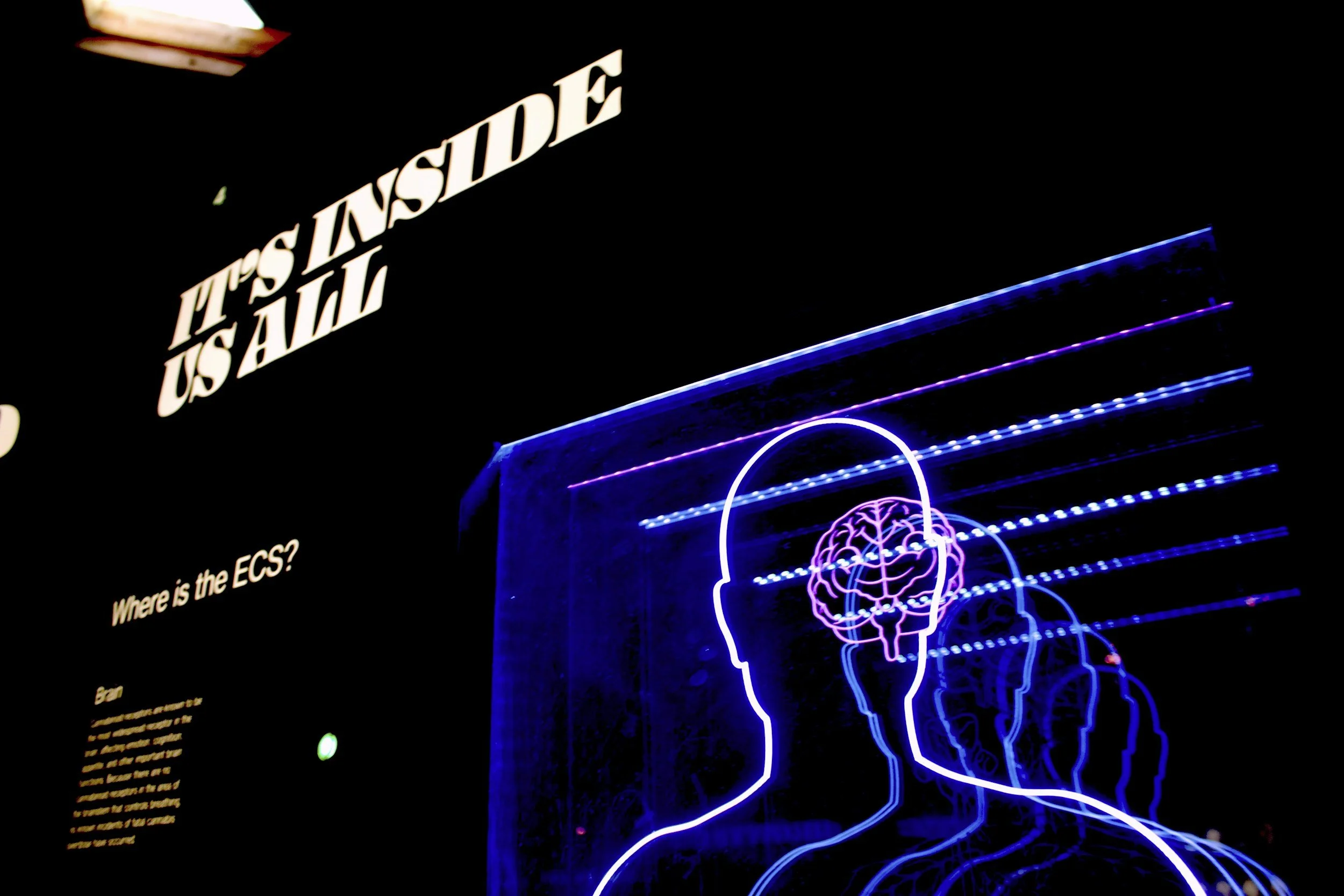
When the body finally registers safety, not intellectually, but 𝘴𝘰𝘮𝘢𝘵𝘪𝘤𝘢𝘭𝘭𝘺, the prefrontal cortex comes back online.
The amygdala downregulates.
The hippocampus can distinguish past from present.
The nervous system shifts from survival mode to social engagement.
This isn't magic. It's neurobiology.
And it happens through the body — not around it.

The 5 Best Somatic Exercises for Trauma and Nervous System Healing
These are the 𝗯𝗲𝘀𝘁 𝘀𝗼𝗺𝗮𝘁𝗶𝗰 𝗲𝘅𝗲𝗿𝗰𝗶𝘀𝗲𝘀 I use with clients in my New York practice. They're simple, but they're not easy. Go slowly. Your body has been protecting you for a long time.
𝟭. 𝗧𝗵𝗲 𝗩𝗼𝗼 𝗕𝗿𝗲𝗮𝘁𝗵
𝘍𝘰𝘳 𝘢𝘤𝘵𝘪𝘷𝘢𝘵𝘪𝘯𝘨 𝘵𝘩𝘦 𝘷𝘢𝘨𝘶𝘴 𝘯𝘦𝘳𝘷𝘦 𝘢𝘯𝘥 𝘴𝘪𝘨𝘯𝘢𝘭𝘪𝘯𝘨 𝘴𝘢𝘧𝘦𝘵𝘺
Inhale deeply. As you exhale, make a low "voooooo" sound, like a foghorn. Let it vibrate in your chest and belly. This directly stimulates the ventral vagus nerve, shifting your nervous system toward calm. Repeat 5-10 times.
𝟮. 𝗢𝗿𝗶𝗲𝗻𝘁𝗶𝗻𝗴
𝘍𝘰𝘳 𝘪𝘯𝘵𝘦𝘳𝘳𝘶𝘱𝘵𝘪𝘯𝘨 𝘩𝘺𝘱𝘦𝘳𝘷𝘪𝘨𝘪𝘭𝘢𝘯𝘤𝘦 𝘢𝘯𝘥 𝘳𝘦𝘵𝘶𝘳𝘯𝘪𝘯𝘨 𝘵𝘰 𝘱𝘳𝘦𝘴𝘦𝘯𝘵-𝘮𝘰𝘮𝘦𝘯𝘵 𝘴𝘢𝘧𝘦𝘵𝘺
Slowly turn your head and look around the room. Really 𝘴𝘦𝘦 what's there. colors, textures, objects. Let your eyes rest on anything that feels neutral or pleasant. This tells your nervous system: "I'm here, now. Not there, then."
𝟯. 𝗚𝗿𝗼𝘂𝗻𝗱𝗶𝗻𝗴 𝗧𝗵𝗿𝗼𝘂𝗴𝗵 𝘁𝗵𝗲 𝗙𝗲𝗲𝘁
𝘍𝘰𝘳 𝘸𝘩𝘦𝘯 𝘢𝘯𝘹𝘪𝘦𝘵𝘺 𝘱𝘶𝘭𝘭𝘴 𝘺𝘰𝘶 𝘶𝘱 𝘢𝘯𝘥 𝘰𝘶𝘵 𝘰𝘧 𝘺𝘰𝘶𝘳 𝘣𝘰𝘥𝘺
Press your feet into the floor. Feel the pressure. Notice the weight of your body being held by the ground. Stay here for two minutes, breathing slowly. Let gravity do the work.
𝟰. 𝗣𝗲𝗻𝗱𝘂𝗹𝗮𝘁𝗶𝗼𝗻
𝘍𝘰𝘳 𝘣𝘶𝘪𝘭𝘥𝘪𝘯𝘨 𝘤𝘢𝘱𝘢𝘤𝘪𝘵𝘺 𝘵𝘰 𝘮𝘰𝘷𝘦 𝘣𝘦𝘵𝘸𝘦𝘦𝘯 𝘢𝘤𝘵𝘪𝘷𝘢𝘵𝘪𝘰𝘯 𝘢𝘯𝘥 𝘤𝘢𝘭𝘮
Notice a place in your body that feels tense or activated. Then notice a place that feels neutral or calm. Slowly shift your attention back and forth between them. This teaches your nervous system that it can move 𝘵𝘩𝘳𝘰𝘶𝘨𝘩 activation, not get stuck in it.
𝟱. 𝗖𝗼𝗺𝗽𝗹𝗲𝘁𝗶𝗻𝗴 𝘁𝗵𝗲 𝗠𝗼𝘃𝗲𝗺𝗲𝗻𝘁
𝘍𝘰𝘳 𝘳𝘦𝘭𝘦𝘢𝘴𝘪𝘯𝘨 𝘴𝘶𝘳𝘷𝘪𝘷𝘢𝘭 𝘦𝘯𝘦𝘳𝘨𝘺 𝘵𝘩𝘢𝘵 𝘨𝘰𝘵 𝘴𝘵𝘶𝘤𝘬
Trauma often involves actions that couldn't happen, the punch you couldn't throw, the run you couldn't take, the push that would have gotten you free. In a safe space, let your body explore what it 𝘸𝘢𝘯𝘵𝘦𝘥 to do. Slow, small movements. Pushing against a wall. Pulling your arms in protectively. Let the movement complete itself. This discharges what talk can never reach.
These 𝘀𝗼𝗺𝗮𝘁𝗶𝗰 𝗲𝘅𝗲𝗿𝗰𝗶𝘀𝗲𝘀 𝗳𝗼𝗿 𝘁𝗿𝗮𝘂𝗺𝗮 work because they speak directly to the nervous system, bypassing the thinking brain that already knows you're safe, and reaching the survival brain that doesn't.
——
Six months after we started, Daniel came in for what would be one of our final sessions.
He sat down. Relaxed. Present.
"I had a moment this week," he said. "I was in a meeting. My boss slammed his hand on the table, not at me, just frustrated about something. And I felt my shoulders start to go up."
He paused.
"But then I noticed it. I took a breath. And I thought: 𝘛𝘩𝘢𝘵 𝘸𝘢𝘴 𝘵𝘩𝘦𝘯. 𝘛𝘩𝘪𝘴 𝘪𝘴 𝘯𝘰𝘸. And my shoulders came back down. On their own."
He looked at me.
"Four years of therapy, and I never understood why I couldn't just 𝘤𝘢𝘭𝘮 𝘥𝘰𝘸𝘯. Now I get it. I wasn't broken. My body was doing exactly what it learned to do. It just didn't know that bracing wasn't what was saving me anymore."
The Science Is Clear. The Question Is Whether You're Ready to Listen.
If you're skeptical of somatic therapy, I understand.
I was too.
But the research isn't ambiguous anymore:
A 2021 meta-analysis found that body-based trauma therapies produce measurable changes in brain activation patterns
Studies using fMRI show that somatic interventions normalize amygdala-prefrontal connectivity
Randomized controlled trials of Somatic Experiencing show significant reductions in PTSD symptoms compared to waitlist controls
This isn't alternative medicine.
This is neuroscience catching up to what the body has always known.
Trauma isn't a thinking problem. It's a nervous system problem.
And the nervous system doesn't heal through insight alone. It heals through 𝘦𝘹𝘱𝘦𝘳𝘪𝘦𝘯𝘤𝘦.

If You've Done the Work and Something Still Feels Stuck
You're not broken. You're not resistant. You're not "too far gone."
Your body is still waiting for permission to complete what it started.
Somatic therapy doesn't bypass the mind. It doesn't ignore your story. It doesn't pretend understanding doesn't matter.
It just adds the missing piece:
𝗧𝗵𝗲 𝗯𝗼𝗱𝘆.
Because your nervous system was there when it happened. It remembers what your mind has tried to forget.
And it's been holding that memory, in your shoulders, your jaw, your breath, your gut, waiting for someone to finally listen.
Somatic Therapy in New York City and Long Island
If you're searching for 𝘀𝗼𝗺𝗮𝘁𝗶𝗰 𝘁𝗵𝗲𝗿𝗮𝗽𝘆 𝗶𝗻 𝗡𝗲𝘄 𝗬𝗼𝗿𝗸, you're not alone. More people are recognizing that healing trauma requires more than insight, it requires working with the body.
As a 𝘀𝗼𝗺𝗮𝘁𝗶𝗰 𝘁𝗵𝗲𝗿𝗮𝗽𝗶𝘀𝘁 𝗶𝗻 𝗡𝗬𝗖 𝗮𝗻𝗱 𝗟𝗼𝗻𝗴 𝗜𝘀𝗹𝗮𝗻𝗱, I specialize in Somatic Experiencing, Sensorimotor Psychotherapy, EMDR, and IFS. I work with adults who have tried traditional therapy and are ready for something deeper, something that finally includes the body in the healing process.
𝗜𝗳 𝘆𝗼𝘂'𝗿𝗲 𝗰𝘂𝗿𝗶𝗼𝘂𝘀 𝘄𝗵𝗲𝘁𝗵𝗲𝗿 𝘀𝗼𝗺𝗮𝘁𝗶𝗰 𝘁𝗵𝗲𝗿𝗮𝗽𝘆 𝗺𝗶𝗴𝗵𝘁 𝗯𝗲 𝗿𝗶𝗴𝗵𝘁 𝗳𝗼𝗿 𝘆𝗼𝘂, [𝘀𝗰𝗵𝗲𝗱𝘂𝗹𝗲 𝗮 𝗰𝗼𝗻𝘀𝘂𝗹𝘁𝗮𝘁𝗶𝗼𝗻]!

And , if you're a therapist or psychologist
If you're working with clients like Linda, high-functioning, insight-rich, yet somehow stuck beneath the surface, and you want to deepen your capacity to meet protector parts without pressure or rupture, Trauma Mastery was built for exactly this work.
It's where experienced therapists learn to track what's happening in the nervous system, not just the narrative. To work with parts somatically. To hold complexity without burning out.
FAQ: Somatic Therapy in New York
What is somatic therapy?
Somatic therapy is a body-based approach to healing trauma. Instead of only talking about the past, it helps you track physical sensations, breath patterns, posture, and nervous system states, because trauma lives in the body, not just the mind.
How is somatic therapy different from traditional talk therapy?
Talk therapy focuses on thoughts and stories. Somatic therapy focuses on what’s happening right now in your body. It works directly with the nervous system to complete survival responses that were never finished, allowing true healing and regulation.
Is there scientific evidence behind somatic therapy?
Yes. Neuroimaging studies show that trauma-focused, body-based therapies like EMDR, Somatic Experiencing, and Sensorimotor Psychotherapy can rewire brain patterns, including increased activation in the prefrontal cortex and normalized amygdala responses.
What kinds of issues does somatic therapy help with?
Somatic therapy can help with:
PTSD and complex trauma
Anxiety and panic
Chronic tension and shutdown
Emotional numbness
Medical trauma
Developmental/attachment trauma
Where can I find somatic therapy in New York?
Our practice offers somatic therapy in NYC and Long Island, specializing in EMDR, Sensorimotor Psychotherapy, Somatic Experiencing, and IFS. We work with adults who’ve done traditional therapy and are ready to include the body in the healing process.
Can somatic therapy really change the brain?
Yes. A 2021 review of fMRI studies showed that effective trauma therapy can literally rewire the brain, improving emotion regulation and reducing survival-based responses. This is not just psychological. It’s biological.
What somatic exercises help with trauma?
Some helpful somatic tools include:
Voo breath (stimulates the vagus nerve)
Orienting (bringing your attention to the present environment)
Grounding through the feet
Pendulation (tracking between tension and calm)
Completing survival movements (like pushing or running in a safe way)
How do I know if somatic therapy is right for me?
If you’ve done the work, years of talk therapy, journaling, insight, and something still feels stuck… your body might be the missing piece. If that resonates, somatic therapy is likely a powerful next step.
—
𝗥𝗲𝗳𝗲𝗿𝗲𝗻𝗰𝗲𝘀:
Manthey, A., Sierk, A., Brakemeier, E. L., Walter, H., & Daniels, J. K. (2021). Does trauma-focused psychotherapy change the brain? A systematic review of neural correlates of therapeutic gains in PTSD. 𝘌𝘶𝘳𝘰𝘱𝘦𝘢𝘯 𝘑𝘰𝘶𝘳𝘯𝘢𝘭 𝘰𝘧 𝘗𝘴𝘺𝘤𝘩𝘰𝘵𝘳𝘢𝘶𝘮𝘢𝘵𝘰𝘭𝘰𝘨𝘺, 12(1), 1929025.
Hinojosa, C. A., et al. (2024). Neuroimaging of posttraumatic stress disorder in adults and youth: progress over the last decade. 𝘔𝘰𝘭𝘦𝘤𝘶𝘭𝘢𝘳 𝘗𝘴𝘺𝘤𝘩𝘪𝘢𝘵𝘳𝘺.
Porges, S. W. (2011). 𝘛𝘩𝘦 𝘗𝘰𝘭𝘺𝘷𝘢𝘨𝘢𝘭 𝘛𝘩𝘦𝘰𝘳𝘺: 𝘕𝘦𝘶𝘳𝘰𝘱𝘩𝘺𝘴𝘪𝘰𝘭𝘰𝘨𝘪𝘤𝘢𝘭 𝘍𝘰𝘶𝘯𝘥𝘢𝘵𝘪𝘰𝘯𝘴 𝘰𝘧 𝘌𝘮𝘰𝘵𝘪𝘰𝘯𝘴, 𝘈𝘵𝘵𝘢𝘤𝘩𝘮𝘦𝘯𝘵, 𝘊𝘰𝘮𝘮𝘶𝘯𝘪𝘤𝘢𝘵𝘪𝘰𝘯, 𝘢𝘯𝘥 𝘚𝘦𝘭𝘧-𝘙𝘦𝘨𝘶𝘭𝘢𝘵𝘪𝘰𝘯. W. W. Norton & Company.
van der Kolk, B. (2014). 𝘛𝘩𝘦 𝘉𝘰𝘥𝘺 𝘒𝘦𝘦𝘱𝘴 𝘵𝘩𝘦 𝘚𝘤𝘰𝘳𝘦: 𝘉𝘳𝘢𝘪𝘯, 𝘔𝘪𝘯𝘥, 𝘢𝘯𝘥 𝘉𝘰𝘥𝘺 𝘪𝘯 𝘵𝘩𝘦 𝘏𝘦𝘢𝘭𝘪𝘯𝘨 𝘰𝘧 𝘛𝘳𝘢𝘶𝘮𝘢. Viking.
*Name and identifying details changed to protect client privacy.*